Bar · January 2026 · 4 min read
How we choose our sake.
Twenty bottles on the list, picked from a country that produces twenty thousand. Here's our shortlist.
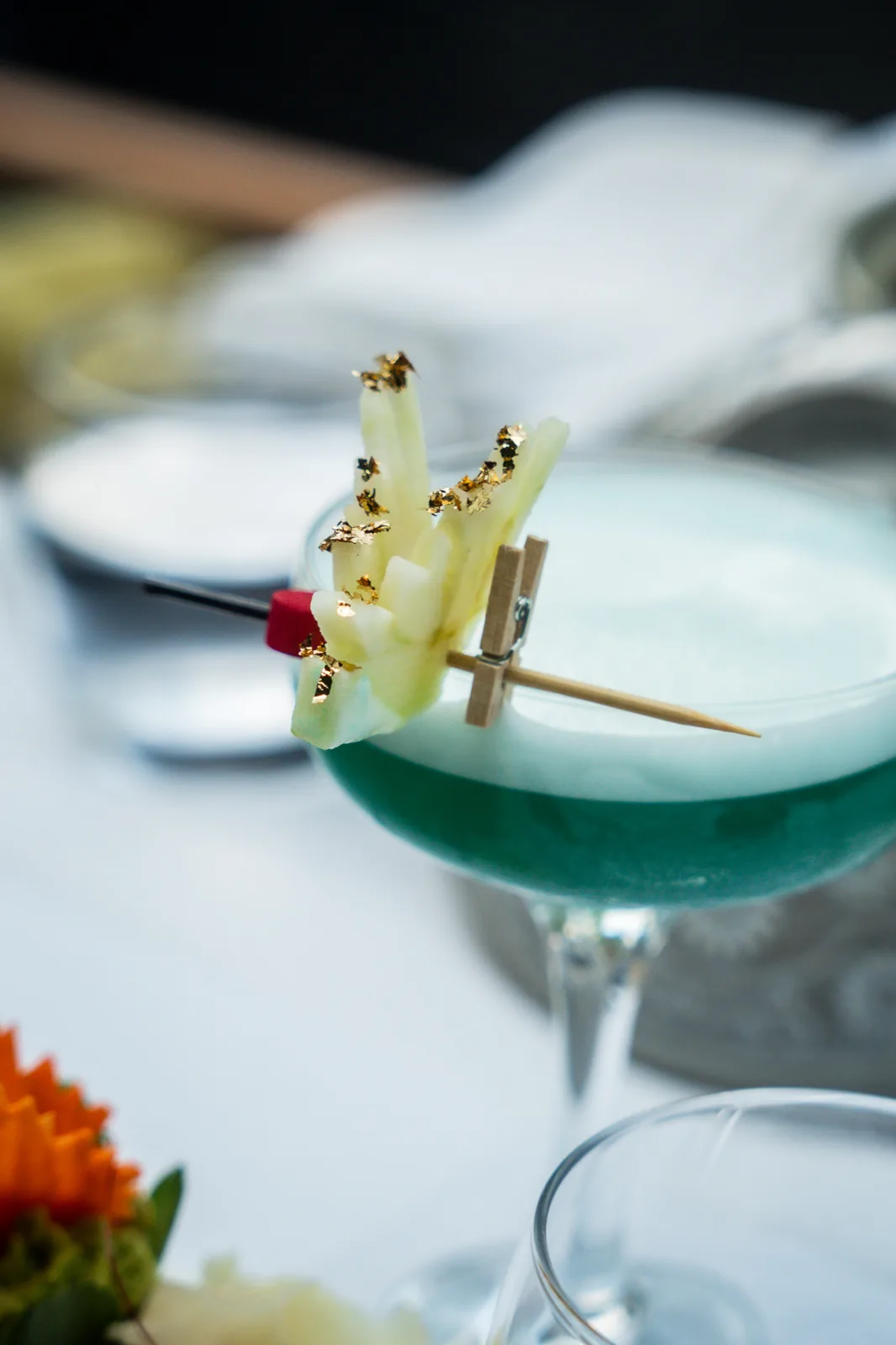
Sake is more like wine than beer, despite the rice. The grain matters. The water matters more. Polishing percentage, brewer's grade, region, age — all of it changes the glass in front of you. Most lists in London bury this complexity under a 'house dry / house fragrant' split. We don't.
Our list runs to about twenty bottles, organised by category: Junmai, Junmai Ginjo, Junmai Daiginjo, plus a small sparkling section. Three principles guide what makes the cut.
First, the brewer matters more than the brand. We work with a UK importer who buys direct from family-run kura — the breweries that have been making the same style for two hundred years. They're not always the cheapest. They are always honest with the rice.
Second, every bottle has to drink with the food. There is no point listing a delicate Junmai Daiginjo from Yamaguchi if it gets steamrolled by miso black cod. We pour against the menu before any new bottle goes on, and the kitchen has the final say.
Third, the price ladder has to be flat. Akashi-Tai at the entry, Hakkaisan in the middle, Dassai 45 at the top, Dassai 23 by special request. No bait-and-switch where the only good sake is also the only expensive one.
If you're new to sake, start with a chilled Junmai Ginjo. Tell us what you usually drink — if it's an Albariño or a Sancerre, we'll point you to a citrussy Niigata. If it's a Rhône or a Burgundy, we'll point you to something with more umami. Either way, it'll be served in a tasting glass at the temperature it was made for, not iced down to mute the flavour.
also worth reading